Bridging research and practice through conversations with leading experts
Psychotherapy and Applied Psychology is a show for people who want to go beyond the surface. In each episode, Dan sits down with applied researchers doing serious work — on suicide, trauma, personality disorders, eating disorders, therapist training, multicultural practice, and more — to ask the questions that matter most to practitioners and the people they serve.
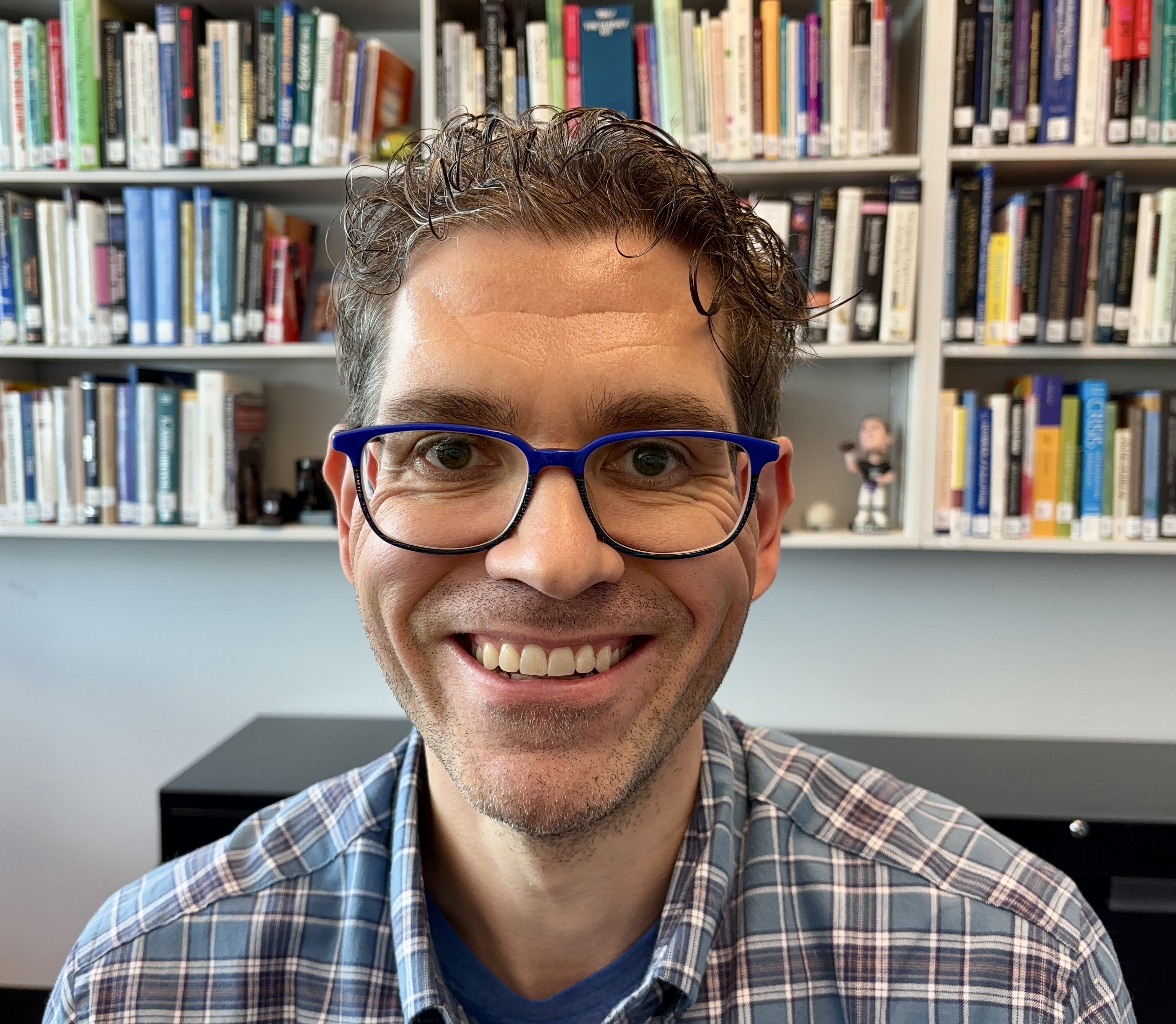
Professor at the University of British Columbia
Dan is a professor at the University of British Columbia who studies what actually works in psychotherapy and other interpersonal helping contexts — and why. His research spans therapeutic responsiveness, interpersonal theory, suicide and crisis intervention, and generally, the science of how people change. The podcast grew out of a simple conviction: the researchers doing the most important work in psychotherapy and applied psychology are rarely the ones with the biggest platforms. That felt like a problem worth fixing.
Connect with Dan:
You're already in the room with clients. This podcast keeps you thinking — about what you're doing, why it works, and what the evidence actually says.
Hear the researchers behind the papers talk about their work in their own words, including the doubts and dead ends that don't make it into publications.
Whether it's the dark tetrad, the neuroscience of emotion, or what psychedelic therapy actually looks like — this show doesn't dumb it down.
Bring your students closer to working scientists and clinicians through conversations that model rigorous thinking and intellectual honesty.
Colleagues from McGill, UNSW, Boston University, USC, UW-Madison and beyond. A chance to hear how your peers are framing the big questions.
Several episodes go deep on grad school, supervision, and what it actually means to build a career in psychology — straight from people who've done it.
Every guest is doing serious work. Dan reads the papers, pushes back on the findings, and makes space for nuance — because the questions are too important for easy answers.
From DBT to the DSM alternative model, from control mastery theory to HiTOP — the concepts are real, explained by the people who developed them.
Psychodynamic, CBT, ACT, EFT, motivational — the show doesn't have a theoretical allegiance. Good science and good clinical thinking come from many traditions.
Got a question about an episode? A guest you'd like to hear from? A topic that needs more airtime? Record a voice message — it might shape the next conversation.
Ready to dive in?
Start Listening