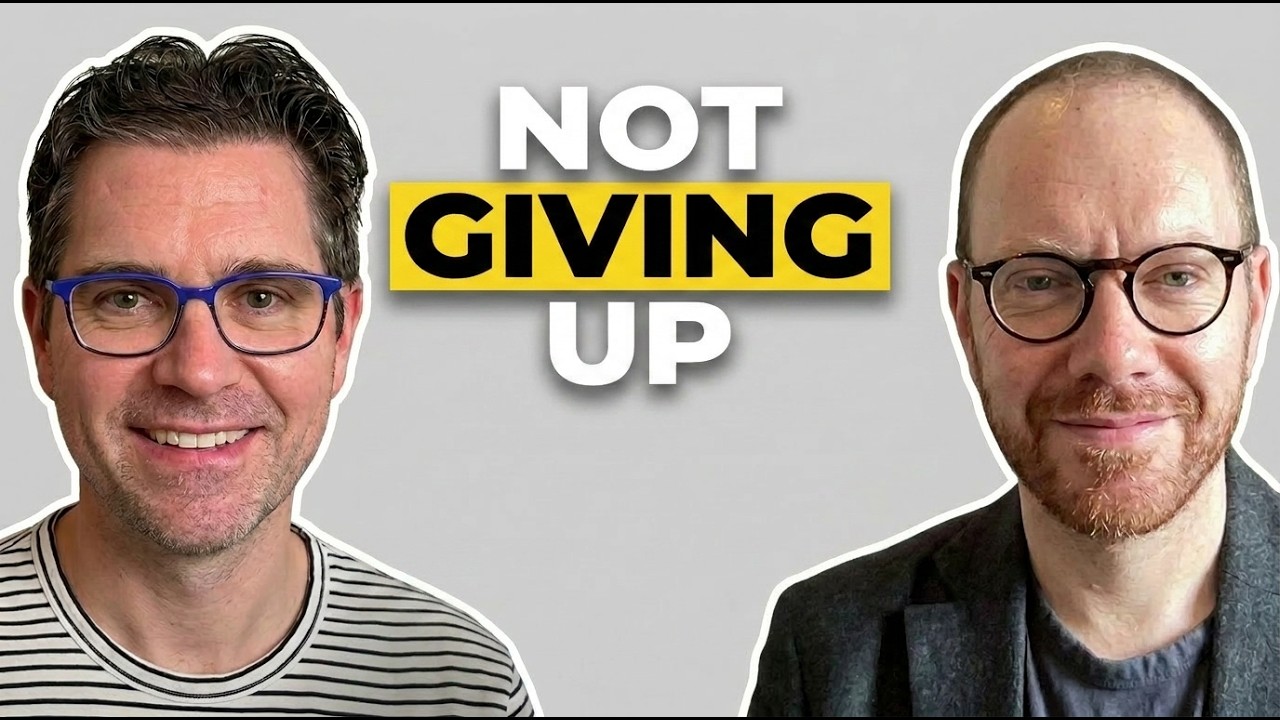
Part 2 of the conversation with Dr. Daniel Buchman, a bioethicist and scientist at the Centre for Addiction and Mental Health and an associate professor in the Dalla Lana School of Public Health at the University of Toronto.
In part 2, Dr. Buchman highlights the need for shared decision-making and the role of patient perspectives in assessing treatment efficacy. He addresses the intersection of palliative care and medical assistance in dying, emphasizing the need for a nuanced understanding of these concepts in mental health care. This conversation delves into the complexities of palliative psychiatry, exploring its relationship with medical assistance in dying (MAID) and the ethical dilemmas faced by psychiatrists. Then, Dan and Dr. Buchman discuss the importance of reducing suffering and improving quality of life for patients with severe mental illness and the challenges of civil discourse in contentious topics and the need for better communication strategies in healthcare.
Special Guest: Dr. Daniel Buchman
Articles
Palliative psychiatry: research, clinical, and educational priorities
Applying futility in psychiatry: a concept whose time has come
Palliative Psychiatry
[Music] When people hear the word palliative, many of us immediately think end of life care. And if we hear palliative psychiatry, the concern can become even stronger. Are we saying this person cannot be helped? Are we giving up? Are we confusing palliative care with medical assistance and dying? That is where today's episode begins. In the first half of this conversation, my guest tonight talked about bioethics, palliative psychiatry, and the difficult idea of psychiatric futility. In the second half, we move into misconceptions and moral disagreements around the term palliative. The relationship between palliative psychiatry and medical assistance and dying, which we refer to as "made." The role of patient goals and capacities, and why reducing suffering may involve much more than medication or psychotherapy. But first, if you're new here, I'm your host Dr. Dan Cox, professor of counseling psychology at the University of British Columbia. This is psychotherapy and applied psychology, where I talk with leading researchers about what matters in practice, what's behind the findings, and what they wish clinicians new sooner. And if you enjoy the show, please subscribe on your podcast player or on YouTube, like, and subscribe. This episode starts with my guest responding directly to people's worry that palliative psychiatry means end of life care, hopelessness, or giving up. So without further ado, here's part two of my conversation with Dr. Daniel Buckman. Our envisioning of palliative psychiatry is that people are not at the end of life at all. And I think actually if you look at the WHO definition of palliative care, there is nothing in that definition about end of life. And it's, although you're absolutely right, that I think in the cultural imagination, palliative is synonymous with end of life care. And it's the idea that if it's synonymous with end of life care, and there's a lot of stigma associated with that, that means you're giving up, you're not, there's nothing more we can do, you're giving up hope. And if you talk to any palliative care professional, they say that is the exact opposite of what we do in palliative care and physical medicine. And I would say the same thing as we're conceiving this idea of what a potential palliative psychiatry could look like, is that it's not about people who are at the end of life. I think people may be at risk of dying because of their mental illness, or they might be because of for some people, maybe conditions related to the social determinants, their health, which makes them an increase, that increase risk, but that's, but they're not at end of life. And palliative care advocates and others have gone to great pains to say, like, hey, like, let's talk about early integration of palliative care. We know from the evidence that we introduce palliative care early in the disease process, not only is it enhanced quality of life, but actually quantity of life. People do live longer. So I think there's a lot to also learn from from there. And that it's very, it's, it's not an all or nothing. It's not that we can't continue to provide other sort of treatments alongside potentially more palliative interventions at all. I think, but I think when people hear the word palliative, they get very nervous. And I understand why. And I think there's a lot of misconceptions out there, not just amongst, you know, various lay publics, some people who might not be in healthcare, but a lot amongst a lot of healthcare professionals. And there's a lot of evidence to suggest that a lot of healthcare professionals also equate palliative care with end of life care. And it's, it's, you know, palliative care, I think often is in practice, provided alongside end of life care for a lot of people. Maybe that's where they see it. And they don't always see the early intervention or they don't always understand it as a philosophy of care as well. So that could be part of it where there's that sort of intense segment even amongst healthcare professionals. But I think we're also, you know, in a death denying society in many ways. And so I think there's, we still have a lot of that stigma associated with the term palliative. And so that's going to, you know, come up, I think even when we talk about this in the research project that I'm involved with right now in palliative psychiatry, we have an advisory board made up of healthcare professionals and people with lived experience of severe and persistent mental illness and others. And we've had a lot of like really great discussions about this term palliative. And or this term palliative psychiatry and this like, should we call it something else? And people are split, you know, folks are saying, well, no, like, let's not call it that because of the reasons that you just mentioned, because of the stigma associated with the term palliative, the association with end of life. And that's not what we're talking about. And other people say, hold on. No, no, we need to call it that and normalize the term and help support people understand what it actually means. And so we should not abandon the term in the interests of this sort of existing stigma. So anyway, that is also made from very spirited and fruitful discussions with the amazing advisory group that we work with. From your intonation, I'm guessing that you're more ascribed to the latter, which is that we should stick with palliative and try to change people's perceptions of it. Yeah, I think there needs to be, yeah, I mean, I guess I do lean maybe lean towards that perspective, but I'm very open to considering other terms if they might be more helpful, right? Again, listening to perspectives of people who might be directly affected by a palliative approach, like, you know, what do they think about it? And what might they want to call it? And so we're actually doing that research right now. I have nothing sort of to report preliminary findings yet, but to be determined, but we want to know that. And so part of me is like, yeah, we should absolutely, you know, do some really good important public engagement or engagement work with healthcare professionals, families, people who have experienced others, you know, just around around these terms, because I think, because people get their people have a tough time with them. So one of the things I also, in reading that I thought was interesting, so what it comes to this idea of futility, one of the, one of the three aspects of it is sort of the qualitative or how I sort of frame it is like, what the, what the client, like very much patient focused what the patient wants their own sort of cost benefit analysis. And there's been some lively discussion in terms of patient capacity when it comes to making that, you know, making those decisions or determining what their goals or values are, or even what their, what their disease is. And so I thought that was so one of the I pulled out a quote from that paper from that meeting that we were talking about and so one of the quotes was some participants thought that if the patient refused the treatment because of an unreasonable weighing of its burden benefits, the futility designation would be an appropriate. Right, so like sort of this idea of well, if the patient's seeing it one way, but most reasonable people would see it a different way and the patients then making a decision based on excuse my language here sort of like an unreasonable way of perceiving it. Then that shouldn't that shouldn't go into this idea of futility because it's just they just don't want to do it, but that doesn't mean there isn't a potential solution to this problem, if you will. And based on my reading of what you've written, I think you were more on the other side of that debate sort of pushing against that. So I just wondering if you could talk about your perspective. For sure, so I think yeah, I would I would also agree that just because someone doesn't want something doesn't make it futile and doesn't necessarily mean that it's, you know, qualitatively futile either that may just be a preference that someone has that they just don't want something. So where I think where there's been some pushback on the concept of futility, particularly as it pertains to anorexia nervosa is on this very this exact idea is that there's something about. The nature of severe and enduring anorexia nervosa in which the condition itself. Shows up in a way that people would refuse treatments because they sort of perceive it as to burden some. And but that doesn't necessarily mean it's qualitatively futile. And so I think I think I think it's it's it's a challenge. I mean, I would say yes for sure in in a mental health context, if someone doesn't have that type of capacity or doesn't have that sort of level of insight into their condition. I mean, I would say that also could happen in other areas of health care to another medical conditions where someone may sort of have various reasons for not wanting a particular treatment or experiencing that is the treatment is not acceptable to them for whatever reasons. And so I think where I'm I might be coming from on this is like it's not one or the other right I think what we need we do need that shared decision making approach we do need both perspectives of health care professional and the patient and maybe sometimes also their family, but I think we really need to listen deeply to people's experiences with treatment and with the system and what that's been like for them. And take that very seriously, I'm not saying that has that ought to be determinative or the only reason as part of the decision making and I really do believe that health care professionals do take all of this into consideration. So my suggestion here is not that, you know, nobody's ever doing this and like nobody listens to patients. No, there's very thoughtful and kind compassionate clinicians out there who definitely do this every single day. But in matters such as these in the often I think people might be seen as not credible informants about their own experiences or there might be a perception in some cases that well it's their illness, they don't know what they're talking about and maybe some cases people might have severe symptoms that prevent them from having that insight into their condition. But people live with their condition every single day they navigate the world with it they go about life they you know it's and so I think there's there's I don't want to. I don't think we should completely dismiss people's perspectives on whether or not they think particular treatments are working for them. I think that has to is a very sort of careful. Evaluation or careful weighing of sort of multiple pieces of evidence and that would be one of them. It's interesting that this and I saw this in literature that anorexia and errosa comes up sort of repeatedly and but when After we first talked about this and I started reading the first thing that comes into mind for me is psychosis. And so I that's to me where like this like when I'm when I'm reading and examples are popping up in my head of situations it's always around psychosis. Maybe that's just because that's what I have my experience with but I just thought it was really interesting that anorexia came up repeatedly much more so than psychosis. Yeah, I think it's also because of the physiological aspect of the condition really I think that's sort of where the strong physiological aspect of it. Obviously that other conditions don't have physiological aspects but like that just so much a lot of the of how interaction of what they manifest in that is in the like in is in weight or other sort of physical components. So that's probably why you might see it more is my is my guess. Yeah, yeah, I just thought that that was yeah, I just think that that was interesting. Anyway. All right, so we're in this context in Canada of made or medical assistance in dying for folks with use the phrase earlier and I know that it's basically for people who have who the it's psychiatric difficulties not physiological that doesn't sound right right because psychiatric are also. You mean like mental illness as a soul underlying medical is that what is that what is that the boilerplate? I think that's okay. Okay, okay, so you know how have you been thinking about that and how I mean I know this is big we're just only just going to you know touch on a little big site. But and how does it relate to sort of the futility stuff how does it relate to yeah to sort of your work in in general you know palliative psychiatry what can you give us a broad overview of your thinking about some of that stuff. Sure, so I mean made and made from mental illness is you know in the air it's in the water it's it's shaping this. This context right so I think it's it's it's it's the it's it's hard to not think about made when thinking about these is around futility or palliative psychiatry. You know it's funny it's when I started to explore palliative psychiatry it wasn't because of made but it's you know obviously there's a lot of things that you know might over might overlap. We another paper that we have under review right now is a survey study of Canadian psychiatrists on their views towards palliative psychiatry and we we attempted to not quite replicate but like sort of adopt and adapt a survey done by. Mental tracks on college in 2019 of Swiss speaking so German speaking Swiss psychiatrists on their views towards palliative psychiatry and we tried to see what the results were in some kind of anyway our sample size unfortunately was a lot smaller. But but what we did in our survey which was different than the Swiss survey was that we provided open text boxes for people to elaborate on the responses and what was we did not ask one question about made. But people said a lot of things about made in the text boxes which I was which our team was just sort of fascinated with and so clearly on people's minds mean also the time that we were that the survey was open and people were doing it so very much in the news very much on top of mind for psychiatrist. But we didn't ask if any questions about made and that this is what people were thinking about so I think that was sort of instructive. But I think there's there's a lot of some overlap in concepts between or related concepts between made and and palliative psychiatry including these questions about futility and how that might relate to these other concepts like. Irremediability of mental illness and so or what is a grievous and irremediable medical condition right is that what we think of when we're thinking of treatment resistant conditions right. And we do people you know that's causing intolerable suffering to the person like we're also thinking about those terms are things around intolerable suffering. You know there might be some some some you know some views that might say well. A palliative approach to psychiatry might accept that in some cases some some aspects of symptoms may not be modifiable and that could be something that's also related to some of the made discussion and you know similarly you're mentioning earlier about. You know this the sort of the negative perceptions that people might have around the term palliative we found similar to what we saw in our survey study but also just in general like discussions or if I've presented on these things people have talked about made is people are talking about made in context of palliative psychiatry or they're talking with the relationship between the two. Some people are saying they're synonymous or some people are saying that's just an extension of the other one and I think because it's very much on people's mind and so we also are my lab the everyday ethics lab we thought this was also very interesting and so we have another paper again under review of the better than the moment where we did us or scoping review the literature to find a look at the relationship between palliative psychiatry and made. Because we want it because because they become conflated a lot either like directly or they're sort of brought up in the broader conversation so we wanted to know you know how are people talking about this in the literature and we found that actually of our of our sample most publications consider them very separate. There are overlapping ideas I think for sure but most consider them separate and actually another sort of our second largest sort of percentage or sort of like subgroup of the sample actually suggested that palliative psychiatry could be this alternative to made. So which was sort of very interesting for us to find there was very very few maybe like two or three publications at most out of our looks at with like 50 that considered them to be interchangeable or that somehow palliative psychiatry will inevitably lead to made right so that was a very sort of minority view but at least we can see that from our findings that made is definitely on people's mind. And definitely part of this broader part part of this broader discussion as we've talked about it as I understand it theoretically this is totally theoretically I would predict that there'd be that if palliative psychiatry as you've been describing it if that increased in the population the use of that that. And sort of holding constant the laws about made and all that sort of stuff that the like the desire to die for people with severe mental illness severe persistent mental illness would go down is if we think about the desire to die mostly coming from a desire to escape pain. And if we have it if our treatment approach moves into how can we help patients have less pain and have a higher quality of life than naturally there be if it was effective there'd be less pain and a higher quality life for patients who they would have less of a desire to escape that pain and sort of a lack of meeting in life. That's a trick so I don't I don't know I don't know you know maybe a palliative approach could be helpful there I'm not and I'm not entirely sure. I'm just going to say I don't I don't know I'm not entirely sure I have a sufficient response to that but I would hope that there would be new approaches and alternative approaches developed to help people who do have that strong persistence or desire to die who are suffering intolerably because of it and their sort of ways to support and help them absolutely. Right and I guess in my framing it wasn't that they were suffering because of the desire to die they had the desire to die because of the suffering right so if we can help people to reduce the suffering then that desire to die. Yeah so the yeah like absolutely yeah I mean I think you know I think I may be mentioned this at sort of the outside of the podcast like reducing suffering or or is like a core value in medicine and healthcare and and I think like we should like why don't we we should be focusing on reducing suffering so if we could we could get at the core of that suffering whether that's you know through a psychotherapy through treatment or even through things like housing right so like palliative psychiatry. Does not you know as we're working as we work with these ideas it's not you specific to pharmacotherapy or psychotherapy it's it's considering that there may be non medicalized options for people that can connection community housing other things that may address these issues of suffering directly. One of the things that's been popping my head throughout this conversation is that folks who have severe persistent mental mental illness many of their them have families that are really you know it's hard on them right and so that part of a palliative psychiatry often I would imagine would also be you know what attending to those relationships and like reducing the suffering in the patient. And also what would not happen naturally maybe in some cases will be reducing suffering in the family you know which which matters and those trained relationships and all those sorts of things and that yeah so I've been thinking about that as we've been talking as well as in terms of how palliative psychiatry would attend to those more core human needs like housing. You know food family relationships community all that sort of stuff yeah so a few things about that so first we do take a very relational approach or relational interpretation of palliative seeing you know not as this as this individualistic idea but really person in their context and that people who you know how they identify who they are as a product of their relationships and so we do again take this very broad definition of family of both family of origin and chosen family. And you know I'll say that for family family can be you know huge immense source of support and strength for people and I completely agree with you that you know any interventions for the person will have those effects on those around them like beneficial or your or negative as well. But families are also can be a source of tension for people and can be very difficult especially for many people who are multiply structurally disadvantaged and or marginalized experiencing homelessness have severe mental illness right so so family can be tricky too and and we were aware of that and so also part of our research is not only are we interviewing healthcare professionals and people with experience but also we're interviewing I'm going to be speaking with family members as well because because of their critical role in in this space. So with just want to touch on the medical assistance and dying just real quick one more time you my sense from it's been really interesting listening to people in the psychiatric community psychiatrist that is like who are very vehemently and strongly opposed to a lot of this and what I one of the things that I hear which I sympathize with is this a sense of like I got into this job to help people to try to help people live better lives and now there might be this expectation that I'm going to throw in the towel in some cases in terms of helping them or continuing to help them and I might be the task of either helping them end their lives or approving that or something might now fall onto me and I did not get into this for that that's a burden I didn't agree to and so like this needs did not happen that that that sort of part of what I am hearing in some of these conversations. Does that I'm curious because you got those qualitative data and you're much more in this talking to the psychiatrist and these in that community folks in that community is that reasonable my understanding of that or my interpretation of that. So yeah we're not asking that directly in our questions about sort of their views on made in our in our work I mean I've also heard perspectives of that as well I've heard other ones too. You know this is not consistent with the goals of medicine I've also heard you concern particularly for people who might be multiple socially disadvantaged who feel you know that you know they can't pay their rent or they can't afford healthy food or food at all and they sort of given like they just feel completely sort of demoralized and hopeless and that they feel that death is a better option for them because they've been so disadvantaged and if they had more. Sort of privileges or social privileges in their life that they wouldn't have to sort of feel that way so I've heard sort of a range a range of things as well. You know so but I think there's also I've also heard perspectives from people who say things well like yeah like why are we considering mental suffering any different than physical suffering and I've seen in some of my patients. They're mental suffering to be so intolerable and you know not necessarily owing to issues around like you know structural disadvantage and you know why you know the tools that I have in my toolbox to help them and support them aren't sufficient for whatever reasons that those may be and so they so I've also heard perspectives of people saying that you know why are we further disadvantaging or clinicians saying why are we further disadvantaging this population again by not giving them access to something like medical system is dying you know I'm not saying I necessarily agree with all of those views but I'm saying this is sort of a part of the broad spectrum of perspectives that I've definitely heard on this. So in your field how often do you feel like you like reach a conclusion. Oh gosh so it depends what it is like it's I mean how certain is any sort of conclusion in in science and met in medicine and you know anyway I sort of a perspective that you know we should always be asking questions and more questions and sometimes with these really challenging topics like palliative psychiatry like psychiatric futility like made we should be continuing to have these conversations and asking these really really hard questions and trying to work through them. So sometimes there might be some consensus within a field on a particular issue not always and I think that's fine and that's okay at least from a certain perspective obviously at the end of the day sometimes decisions do have to be made. You know particularly let's say in a clinical context and so I've you know when I when I have done clinical ethics work in the past I've you know sort of said well it's great that we have all these other questions we can ask all these questions and we can be uncertain go off but sorry person who this consult is about but we're not going to reach any good to conclusion here I mean I think that's really efficient we need to make a decision so ideally it's a decision that you know people can all feel comfortable with like in those context that they can live with they not everyone may agree but it's something that can they can sleep at night and that it's the the best most I should say that the best or the most ethically defensible option out of all the options available and it may not be an ideal option to not be you know if we could you know again like if we could wave a magic wand and this is sort of the outcome that we get but it's the most defensible and it's something that we can stand on. So one of the things that I'm getting off the track a little bit here but one of the things that you know faculty and others sort of have been moaned is that it's more difficult to have conversations that are more you know can have contentious conversations in classes and things like that. and things like that. And as we're talking, I'm thinking that a lot of what you do is, it is contentious. It wouldn't come up if it wasn't contentious. Then it doesn't fit within your, but you do, right? If it's like, oh, this is clear. Yes, we should give this person this treatment, then, then done, right? You're not a part of this conversation anymore, you don't care. I like, it's done. The clear, you know, anyway, so I was just kind of curious, if that, and obviously you're just you and the time and the life that you've lived, but like, do you think that it's gotten more difficult to have some of these conversations in certain contexts than it used to be? Then it used to be? Or, yeah, what your experience of that's been? Yeah, for sure. I think everyone's feeling that in different aspects of their lives. And, you know, I've definitely felt that. And I think also too, especially with poll, very polarizing topics like medical assistance and dying, that you hear from people maybe who are on you know, the short end of the detail, like the of the, right? And their, my guess is that there's a lot of people under the bell curve whose whose perspectives may not always, you know, be forthcoming. And, you know, there's lots of reasons for why that may be and sort of the times that we're in and how people communicate and things online and sort of the challenges of having some very, very difficult conversations. But so I have found it very, very challenging and, you know, I have thought about this over the last few years just sort of within within my field, right? Like I, as I sort of said earlier, like I'm swimming in the gray area. This is, that's what I, what I do, if it was so easy, it wouldn't be like there wouldn't be sort of a values conflict or a values tension or, or considerations here. Like there's no, there's no easy answers, so there's no easy topics. So it's, and so I think, yeah, there's, it's like how can we have conversations about these really hard topics with people we might disagree with and still be able to feel heard and can people still feel seen? And I think that's what people want the most is to feel seen and to feel heard and to know that we can disagree and maybe deeply we may not reach, we may not be on the same page and we may not agree on the same outcome, but can we talk to each other in a way and, you know, work towards whatever it might be in the spirit of collaboration and, and sort of, and charity, even I would use like the principle of charity, like we don't, I think we don't give people a lot of like, there's not that much conversational charity these days, I think, in trying to understand where people may be coming from. So especially in the work that I do, it's like how can you navigate these deep moral disagreements? And you know, I said, I mentioned made, but there's tons of other topics that come up in, it just even within healthcare that are so politicized and, and, you know, cause like uncivil behavior and we've seen evidence of that play out in the public space around many of these topics amongst professionals and healthcare professionals who you know, are very uncivil with, with each other because the other person happens to disagree with, have a different viewpoint on a on a on a topic, right? So we need to figure out better ways of of doing this. Yeah, I think it's, yeah, it is, I find it just very interesting, and I think it a lot of is unfortunate, but that like I always say, like when I went to undergrad, you know, and I took a lot of philosophy and religion courses, you know, in a, it was not a religious institution, and that there would just be all these different perspectives, and it was just like normal that people would say like, oh, as a Catholic, you know, oh, as a Muslim, oh, as an atheist, you know, like that, that would do, those conversations would just happen in the context of class, and I just think that if I went to, if I was in that same situation now, I don't think that those conversations would happen like that. It sucks. Yeah, yeah, yeah, probably, yeah, probably not, but I also just also declared five two, like I think it's important that we hear each other and we listen to each other, but it doesn't mean that all perspectives either are equally valid, and this is, this is, this is, this is, it also makes it a bit tricky too, right? And, you know, we were, it's actually funny, might, so my lab had a really great, uh, we did a journal club recently where we were looking at this, this wonderful paper and, uh, I think the journal's philosophical psychology on deference to experts and, and you know, should we defer to experts? And it's very much tied to this issue that we're talking about right now, and, um, you know, it talked about sort of the one aspect of the, this paper was talking about, you know, like, like experts, like content experts in a particular area, and debating, um, people, whether they should debate people that, um, don't agree with them, or like, are non experts. So for example, this was, um, I think the example that was given in this paper was, um, should Peter Hotez, who's like a, you know, vaccine sort of expert, um, go on the Joe Rogan podcast and debate RFK Junior, and he said, no, I'm not going to debate RFK Junior because, um, I have no way of verifying his statements about vaccines, uh, in a way that we can sort of come together, um, you know, to come to, uh, that we can come together and like have like an actual debate about this. So he's like, I actually refused to debate to engage in this thing, and so I think that's also an interesting piece in all of this too. It's, I don't think Peter Hotez is being unreasonable here, I think, and I don't think he's not being, um, you know, charitable in saying like, I'm going to give RFK Junior or whoever the sort of the time of day, um, it's just that, or like, that he's, there's something wrong with him was what I mean. It's like, I think we have to sort of also, um, you know, it's a, it throws sort of an interesting challenge into having these really tough conversations and how we can, you know, ensure like what perspective like, you know, how do we evaluate perspectives and what perspectives are okay and, um, do all perspectives count and, right, like, would someone like debate a racist and I think most people would say no, um, and I think that's completely like, again, reasonable, right? But like, but how do we have, but again, how do we have these conversation, how do we, you know, um, hear people, how do we all sort of be able to have your, our voices heard? So I think it's tough. Well, and what you, and I have heard that, I don't know if it was that, if that specific scientist or not, but sort of similar sort of conversations about going on podcasts or whatever and debating. And the way that, that I filter that is, I'm not going to have a debate with someone who I don't think will have a debate with me in good faith, right? Like I could sit here in this conversation that we're having right now and I could just make shit up and I could say, yeah, but then what about remember the Smith 20, uh, 23 meta analysis where they looked at palliative blah, blah, blah, blah, and you, I just made it up, right? And you have no idea. And you know, if, if it wasn't a debate, you could just, if this was just, you know, you could easily Google that and say, oh, that's not a thing or he's misinterpreting that finding. But if I hit you with the 2023 meta analysis, the 25, the 2025 RCT and even the systematic review that came out after it and I'm just totally making it up in a debate. You can't look that up. And so like it's not engaging in good faith because I would, my perspective is like, I actually think it's okay to debate the racist if they're going to do so in good faith, right? Like to me, I don't know, and maybe you could, you could give it to me otherwise. But uh, no, I think that's, I think that's a better way of putting it again. That's probably what I meant to say is that, um, yes, it's like you need good, you need people to have come to it in good faith. You need people to, and so maybe that's what sort of he was saying here was like, no, I actually am not going to debate him on vaccines because I don't believe he's a good faith actor and that he's going to actually approach this debate in with with genuine interest. So I think, you know, people can disagree as long as they do come to that conversation in good faith. So I, I think you're framing as much, uh, much clearer and better than that. It's always easier when the other person is talking because then you can think and respond. You know, it's when you initiate the idea, that's when you're like, oh yeah, I could have said that better. Um, uh, but yeah, I think, I think, I just, in listening to you, reading your work, thinking about what you do with day to day, that that the conversations that you're having are almost, you know, a priori, they're going to be contentious and challenging and for most of the stuff, even the debates that happen in my field, not always, but you know, 80 or 90 percent of them, it's, uh, they're not stigmatized. Um, but in your case, they're, they're, they're, they're, they all could be depending on who's in the, in the conversation. I just sort of, in listening to sort of having empathy for the situation, particularly in like a large undergraduate class, where it's just like, oh boy, this is going to, how am I going to have this conversation without, um, it's just sort of devolving and me getting terrible teaching evaluations. Well, this has been great. Um, uh, so one thing I did want to ask that I always like to ask folks is about pushback that they've gotten. And so we sort of have, uh, have flirted with that a little bit, but is there a specific pushback that you have gotten for your work that? Yeah, for sure. I think, yeah, we have touched on it a little bit already. Um, so the, the, the main pushback, I think that we've had, for palliative psychiatry specifically, um, it's some of the things that you raised around the sort of conflation with end of life care or made specifically. And so, or we've had certain aspects of, of made, the made conversation has come in. I mean, there is, yes, there is some overlap but saying like, well, hold on. Um, you know, sort of starting at the point where there's the, um, where palliative psychiatry is conflated with made for mental illness and saying, well, then you're basing it on these ideas of irremediability, which we don't have good evidence for. And therefore, you know, like this is sort of bogus and sort of getting sort of the pushback on those, on those pieces. Similarly for ideas around futility is like, okay, well, how do you know this treatment now is going to, is futile when someone may derive benefit from it in sort of 10 to 15 years from now or in some, in a determined amount of time, it doesn't have to be 10 to 15 years, right? So we don't know and why should we, you know, what are some of the dangers potentially of calling something futile when we actually don't know the mechanisms of why of the action, we don't know why it works, we don't know, someone made about derive benefit from it, we should just keep going and you are actually, and so some of the ideas or some of the, the, the concerns that people have around, or I would say even like misperceptions people have around palliative care generally, that it's about abandonment, that it's about giving up, that it's about losing hope, is that now we're, we're introducing that into psychiatry and for a population who, um, who, um, you know, it's that who are, who are, like we shouldn't be, well, we shouldn't do that anyway, but like our first sort of, there's could be potential even more negative consequences, they're particularly vulnerable to that. So, um, and so like I may disagree with some of those positions that palliative care or palliative psychiatry even is about abandonment or giving up hope or everything, but, because I think we try to argue very clearly and sort of strongly, like it's not about that, but I think it's important to recognize some of those concerns or objections that people do have and understand as we sort of think about and develop these ideas as we're doing research on the topic and understand how some of this might land, um, with people who do very much hold those views. So we've had, so we've had, we've had some of that kind of pushback. Another sort of form of pushback that we've had on palliative psychiatry is, well, how is this any different than what psychiatrists do every day? Isn't all, like, and so we've had everything from, isn't all psychiatry in the sense palliative? We're not, it's not curative in many cases. Um, or is, you know, of course, psychiatrists want to alleviate suffering and improve quality of life. So why would you call this palliative? So we've heard some of that too. And we've tried to address some of those, those, um, comments through sort of clarifying, you know, different types of, uh, psychiatric approaches from sort of rehabilitative to curative. And curative doesn't mean like, you know, like curative in a sense, like I've broken my arm and had a fracture and then it goes through a healing period and I don't have the fracture anymore. Like we don't, like, it's not the same in mental health. It may be, you know, a bit different. But we've also heard things like, well, isn't what you're talking about, probably, psychiatry, are you just talking about the recovery movement? Like isn't this also just similar to recovery? And so we've had some of that. I mean, yes, and no, and we've had some responses to, to sort of that, so that bit of pushback. But, um, yeah, the main, the main things of the pushback has been around, I think the conflation with end of life care, with made and with sort of these ideas that a lot of people have about the term palliative. So the two types of pushback, is this one here, one of them is like an over interpretation of what you all are suggesting, which is that they're seeing it as much more extreme, if you will, than how you're actually, what you're actually suggesting. And the other group is saying, you're not contributing anything new. It's tubanol. So you have like both ends of the spectrum is the pushback that you're getting. And it's just like, just just read the paper, just read the paper and you'll understand it's neither of these two things. Yeah, sometimes I wish people would actually read the paper or, or, or, or, or, or maybe, you know, maybe give like a, you know, try to give it, come at it with in good faith with a sort of a charitable interpretation. But I mean, you know, any errors or emissions or things are ours and we own those. And, you know, I very much welcome, sort of those like substantive and like scholarly objections to any of it, because I think that's what helps, that helps crystallize the ideas. It helps put the ideas forward. Maybe we'll refine our ideas as well as we go forward. Like you need that kind of discussion. I think it's really, really important. Again, to your point earlier, which was a very good way of putting it, I think it's as long as this is done in good faith. But it's many of these topics are, are so polarizing. And many of, you know, people feel very strongly about them that it's, it's sometimes very hard to, to approach that. One thing I have found interesting though, and I have started a little bit of reading on this myself is that what are, what we've noticed some of the pushback that we've had around palliative psychiatry is some of the, is mirrors in some way, some of the criticisms that were present of palliative care in general when it started to gain momentum back in like the early 20th century or before around sort of the hospice movement. That was, and I think many of those ideas persist today. So even if you go into any hospital today in a major city, and you say to some people, as I think as we have alluded to in this conversation, oh, we're going to get a palliative care consult. People think it's sort of like the angel of death that's coming in and you're abandoning people and giving up and there's nothing else you can do. And that was very much like this idea when like James Sissley Saunders had this hospice movement starting in the UK, right? It's like, and this idea, what do you mean you're stopping treatment? What do you mean that you are just focusing on symptom relief and suffering and making someone comfortable? Why aren't you doing everything? Clote unquote. And there was a lot, like tons of resistance to this idea of palliative care or palliative medicine. And I mean, which again, these ideas still persist very much today, less so despite the amazing strides that palliative care as a field is made, despite the advocacy, the research that has been done, you know, specialties, and there's been like huge, huge strides. But what some of that, some of that pushback is what we're saying, I think. So I'm anyway, I'll also say that I'm starting to do more of a reading on the history of palliative care. And maybe there's some learnings historically that we can, we can apply to some of the work that we're doing. So speaking of readings, so I'm going to include the links to the resources that you shared with me. Are there other specific resources, which I'll link as well, that you would like to share with folks, websites, books, articles, whatever that you think for people who be interested in learning more? For sure. Yeah. So I can send you some more papers. But I may also send some links of some programs of where people are sort of thinking about this. So there's two of them. Maybe I'll, so one of them, and they're both in Belgium. So one of them is oyster called oyster care. And this is spelled O-Y-S oyster? Oyster like the like the, the pearl, the mollusk, oyster care. And they provide what they consider to be a palliative psychiatric approach for people who are living with severe and persistent mental illness. There's also another organization in Belgium called Riaqiro. And they're a space, a place for people who have a persistent death wish, who have severe and persistent mental illness, who may have sort of applied or been evaluated and approved for psychiatric euthanasia, or maybe not. But it's a place for people who they come in and they can meet with people, they can bring family. And it's to work. And they also sort of are within this broader palliative psychiatric philosophy of care for folks. So it's, so these are sort of two examples that I'm aware of anyway, where people are trying to put this into practice. So that may be of potential interest to listeners as well. Yeah, that's fast. And do you know how to spell Riaqiro? R-E-A-K-I-R-O. The web page is in, is in Flemish, I think. But you can translate. But anyway, these are two oyster care and Riaqiro are really two interesting examples of where this work is starting to happen. Oyster Care has started to publish on the evaluations of their programs as well. So which is also really interesting. One of my PhD students actually is in Belgium right now as we're recording this. And I think had a tour of either Riaqiro or Oyster Care was able to meet with some of the folks and is going to come back and just going to let us know what she's learned. Because it would be, if there's sort of anything there, it may be really interesting to consider how that something like that could be potentially translated to our context here, what that might look like, and so forth. So that anyway, so that's sort of some very interesting stuff. Yeah, I think, yeah, I can, those are just, yeah, I think that's sort of off top of my head for now. Most of the stuff is sort of academic literature in my articles right now, but there I can say, I think I know, may know of a couple other sort of potential podcasts, recordings where others have spoken on similar topics. That might be of interest as well. So I can share that. Yeah, anything you have a more than happy to link it in the show notes. Dan, I can't tell you how much I appreciate this. I've learned so much. This has definitely pushed me outside of my realm of expertise. So hopefully I didn't say anything too foolish. But it's been wonderful. I can't tell you how much I appreciate it. Well, I'm very grateful for the invitation, the chance to, to chat about some of these ideas. And so yeah, thank you so much for having. Ladies and gentlemen, Dr. Daniel Buckman. That's a wrap on our conversation. As I noted at the top of the show, be much appreciated if you spread the word to anyone else who you think might enjoy it. Until next time.